
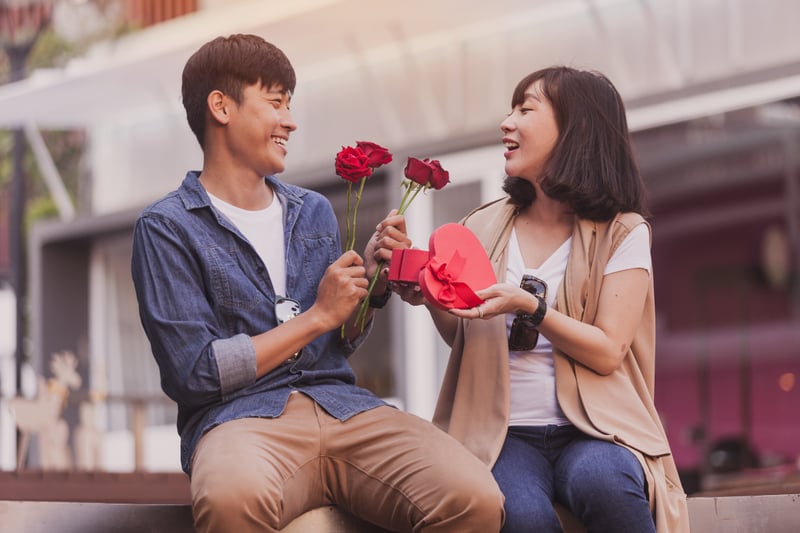
Valentine’s Day in Asia is evolving—from classic chocolates and flowers to experiences, digital shopping, and deeper cultural shifts. This 2026 guide blends spending signals, behavior data, and regional insights to help you plan, shop smarter, and celebrate meaningfully.
Valentine’s Spending and Consumer Behavior: What the Data Shows
Global and regional spending patterns
- Worldwide interest is still strong. A YouGov survey across 17 global markets found 59% of consumers plan to celebrate Valentine’s Day—making it one of the most consistent seasonal moments for gifting, dining, and retail.
- Spending remains a major retail driver in large markets. In the US, Valentine’s spending is projected to reach record levels in 2025, according to the National Retail Federation’s annual Valentine’s Day survey. (This matters for Asia too, because global brands often shape Asia campaigns based on the same calendar.)
- Experiences are getting more attention. Consumer trend analytics point to a shift toward experience-led celebrations—dining, travel, events, wellness, and stays—rather than only physical gifts. See Zeta’s Valentine’s Day trends on experiences replacing traditional gifts, and even dining-specific signals like premium reservation growth in Modern Restaurant Management’s Valentine’s research roundup.
- Online shopping is still huge. Valentine’s shopping continues to skew digital in many markets. For example, NRF survey reporting has shown online as the top shopping destination at ~40% in recent years—useful as a directional benchmark when thinking about omnichannel behavior in Asia. Here’s an NRF-linked coverage summary: “Online will be biggest Valentine’s Day shopping channel,” and NRF: Online continues to be the most popular destination at 40%.
Spending Behavior Trends in Asia-Pacific
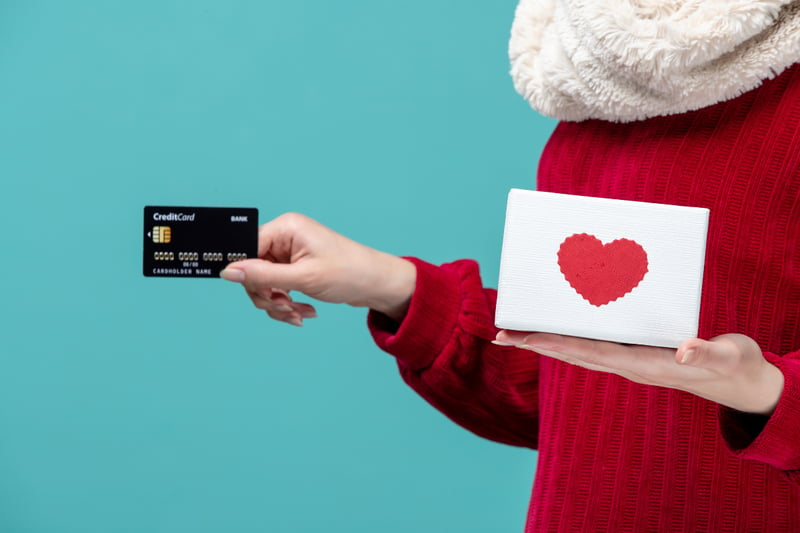
- Cautious but active (Philippines example). Visa’s Philippines analysis found more transactions and more active card usage around Valentine’s season, while average spend per transaction declined slightly—suggesting value-focused choices. See Visa and Valentine’s Day: Analyzing Consumer Spend Trends (Visa Philippines).
- Timing is shifting (not just Feb 14). The same Visa analysis also notes that in 2024, transaction peaks occurred on the weekends before and after Valentine’s Day, rather than only on the day itself. That’s important for planning promotions, inventory, and paid media windows. Visa Philippines Valentine’s spend trends.
- Digital gifting is expanding across Asia. E-commerce penetration and mobile-first shopping behavior continue to grow in many Asian markets, so Valentine’s discovery and conversion increasingly happen through search, marketplaces, and social feeds—especially for flowers, beauty, and “experience vouchers.”
Consumer Segments and Valentine’s Behavior in Asia
Understanding these segments helps you tailor gift guides, bundles, and content more effectively:
- Experience-first couples
They prioritize memories over objects: hotel stays, spa dates, events, and travel. The broader experience shift shows up across multiple datasets and consumer trend analyses—see Zeta’s experience trend signals and dining-led indicators like premium Valentine’s reservation growth. - Cautious spenders and value seekers
They still celebrate, but they optimize: deals, bundles, and practical gifts. In the Philippines, Visa data suggests value-seeking behavior through higher transaction activity but lower average spend per transaction. Visa Philippines analysis. - Self-love and solo spenders
A growing segment buys beauty, wellness, and self-gifts—especially in urban centers where personal identity and self-investment play a bigger role in seasonal shopping. - Tradition keepers and cultural traditionalists
Some markets balance Western Valentine’s with local love festivals. In China, Qixi is often described as a traditional “Chinese Valentine’s Day,” rooted in the Niulang and Zhinü legend—see Time’s explainer on Qixi Festival (Chinese Valentine’s Day).
What to Buy in 2026: Data-Driven Gift Insights
Below are gift categories that consistently perform well—plus why they work in a 2026 context.
Top gift categories (globally and commonly across Asia)
- Experiences
Dining, wellness, and short getaways are gaining a share of attention as consumers look for memories. Experience trend signals - Flowers
Still iconic, but increasingly paired with delivery perks, personalization, or experience add-ons (e.g., flowers + dinner reservation). - Premium chocolates and local treats
Classic gifts remain strong, especially for social gifting and office/friend circles. - Jewelry
Still high-engagement, but increasingly “value-justified” (design story, durability, personalization). - Beauty and wellness
Strong for self-gifting and couples gifting; works well with bundles and subscription-style offers. - Travel and dinner packages
Strong for couples who prefer “planned moments” over physical products—supported by dining and experience trend indicators. Dining spend signals
Key behavioral findings
- Timing matters. In the Philippines, Visa observed transaction peaks clustering around weekends near Valentine’s rather than only Feb 14. Visa Philippines spend trends.
- Digital-first discovery. Many buyers research online first—even if the final purchase happens in-store. That makes product pages, delivery clarity, and checkout UX disproportionately important.
- Mix of traditional + online. In Asia, physical retail still matters (flowers, dining, malls), but online convenience increasingly influences discovery and comparison.

Where to Go: Romantic Destinations in Asia for Valentine’s Day 2026
Travel intent among Asian couples remains strong, but many celebrations skew toward meaningful, nearby adventures rather than long-haul trips.
City and experience-driven picks:
- Tokyo, Japan – City lights, winter illuminations, premium dining
- Bangkok, Thailand – Rooftop dinners, river cruises, spa hotels
- Kuala Lumpur, Malaysia – Affordable luxury stays + skyline views
- Singapore – Fine dining + Sentosa add-ons
- Shanghai, China – Iconic skyline romance, luxury shopping, riverfront dining along the Bund
Valentine’s angle: If you want trust from consumers, you have to earn it—with transparency and restraint.
Slower travel and nature
- Jeju Island, South Korea – Scenic drives, coastal cafés
- Kyoto, Japan – Cultural romance with slow mornings and heritage stays
- Bali, Indonesia – Wellness villas and sunrise experiences
Insights for Brands and Marketers
- Optimize for multichannel shopping
Consumers discover online and purchase anywhere—make offers seamless across mobile, marketplace, and store. - Highlight value and emotion (not just price)
“Value” is often about meaning, personalization, and convenience—especially when budgets are cautious. - Time your campaign early
Behavioral signals show peaks can happen around weekends and in the run-up—so launch 4–6 weeks before Feb 14, then keep a second wave for late buyers. Visa Philippines timing shift. - Offer bundles and experiences
Gift + experience bundles often “feel” more valuable than single items—and match the experience shift. Experiences trend signals
Conclusion
Valentine’s Day in Asia is increasingly defined by intention over tradition. Data and trend signals point to a clear shift toward experiences, earlier planning, and value-driven purchases, with dining, travel, and wellness gaining attention alongside classic gifts. As budgets stay cautious, shoppers prioritize meaningful moments, personalization, and convenience—reshaping how love is celebrated across the region and how brands should engage Valentine’s audiences.
Learn more in Win Hearts This Valentine's: Transform Your 2026 Asian Market Strategy! and Fall in Love Again at Asia's Top Destinations This Valentine's Day, all on Eye on Asia. Stay tuned for our next feature! ✨

 Download Panel Book



