

For Gen Z in Southeast Asia, a drink is rarely just a drink.
It can be a matcha latte held against café lighting. An oat milk coffee was ordered because it feels modern and lighter. A banana milk coffee is shared because it looks playful and nostalgic. A boba cup customized with less sugar, extra pearls, or cheese foam. A café table that becomes a backdrop for a photo, a catch-up, a study session, or a soft launch of someone’s lifestyle.
Across Southeast Asia, drinks have become small but powerful signals of identity. They show taste, mood, values, social circles, and even digital personality.
This is why matcha, oat milk, banana milk coffee, boba, and café culture are more than beverage trends. They reveal how Gen Z consumers discover, personalize, share, and attach meaning to everyday purchases.
For brands and research teams, these drinks offer a useful lens into modern consumer behavior: how young consumers turn affordable rituals into self-expression, social content, and lifestyle choices.
1. Drinks are becoming lifestyle signals
Gen Z consumers are not only buying drinks for taste. They are buying what the drink represents.
A matcha latte can signal calm, wellness, and intention. Oat milk can signal modern café culture, plant-based choices, or lighter consumption. Banana milk coffee can signal playfulness and nostalgia. Boba can signal fun, customization, and social bonding.
In other words, drinks have become identity cues.
This fits a wider Gen Z behavior pattern in Southeast Asia. Dentsu’s regional strategy leaders described Gen Z FOMO in Southeast Asia as less about simply showing up and more about showing how experiences are performed and shared.
For beverages, this means the cup, the color, the café setting, and the post can matter almost as much as the flavor.
Consumer insight:
For Gen Z, drinks are low-cost lifestyle signals. They allow consumers to express who they are without making a major purchase.
What this means for brands:
Beverage brands should think beyond taste. The full experience matters: naming, packaging, café design, drink color, customization, and how easily the product can be shared online.
2. Matcha shows the rise of “calm consumption”
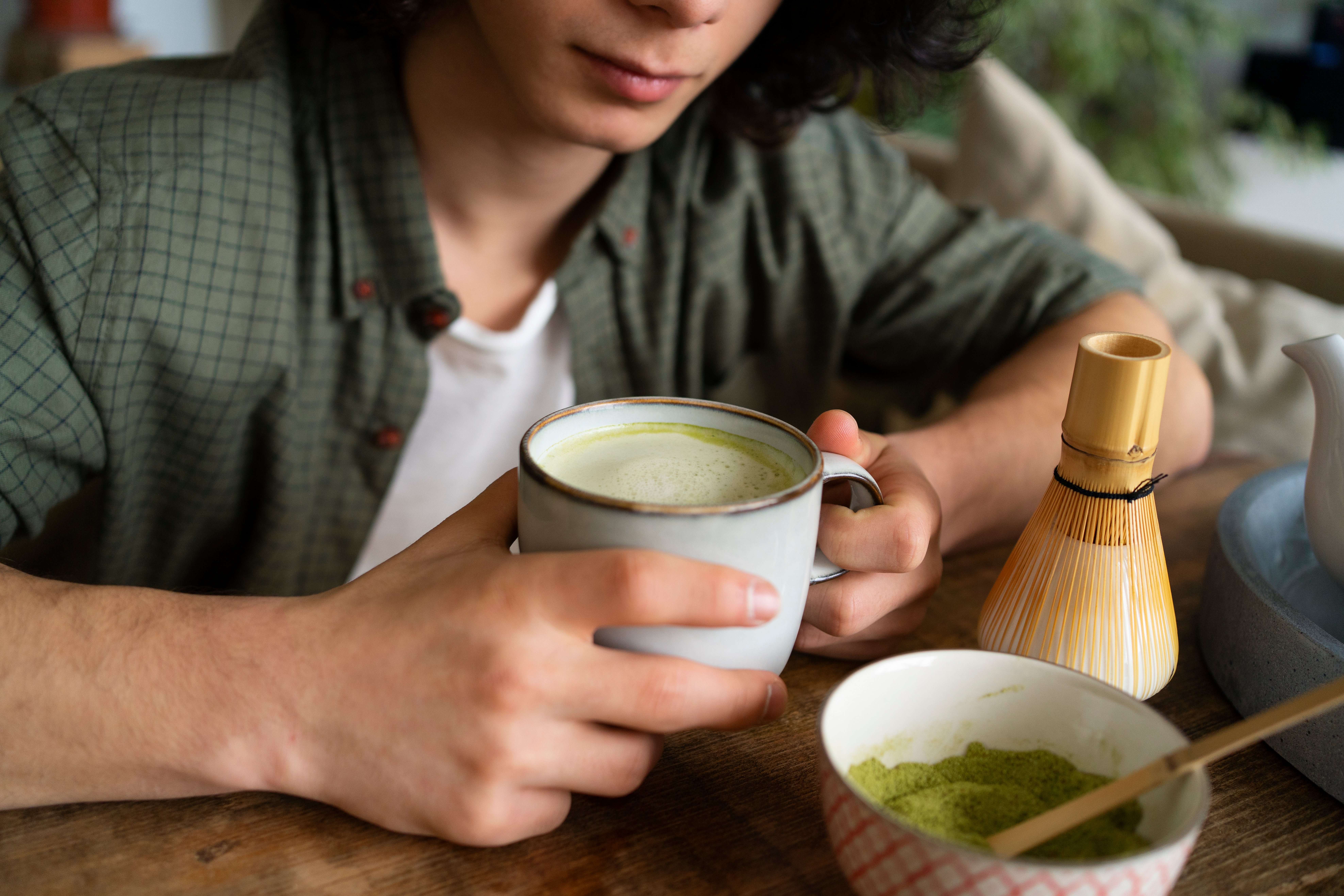 Matcha has become one of the clearest examples of how Gen Z turns a drink into a mood.
For many young consumers, matcha is not just green tea. It signals wellness, focus, softness, slow mornings, and a more curated lifestyle. It works especially well on social media because it has a distinct color, a recognizable preparation ritual, and a strong café aesthetic.
In Southeast Asia, matcha also connects with broader tea and coffee habits. YouGov’s 2025 survey across Indonesia, Singapore, and Thailand found that many adults consume both tea and coffee, while green teas — including matcha — are especially popular among tea drinkers in Singapore and Thailand.
In Singapore, matcha has also moved beyond traditional cafés. Reports on young home-based brewers show how some are turning homes into small café-style spaces serving specialty coffee and matcha, reflecting how young consumers are making café culture more personal, flexible, and social. The Straits Times reported on young Singapore brewers serving specialty coffee and matcha from home-based cafés.
Consumer insight:
Matcha is popular because it carries emotional meaning. It feels calm, intentional, aesthetic, and wellness-adjacent.
What this means for brands:
Matcha products should not only be positioned as “green tea drinks.” They can also speak to mood, routine, texture, balance, and visual identity.
3. Oat milk reflects modern, flexible consumption
Oat milk has moved from a niche alternative to a familiar café option in many urban Asian markets.
Part of its appeal comes from flexibility. It fits coffee, matcha, chocolate drinks, ready-to-drink formats, and café-style beverages. For Gen Z, oat milk can feel modern, slightly premium, and aligned with more conscious food and beverage choices.
Oat milk’s growth in Southeast Asia also shows how urban consumers are becoming more open to plant-based alternatives when they fit naturally into café habits. Singapore-born Oatside is a good example: the brand has expanded across multiple Asian markets, including Singapore, Thailand, Malaysia, Indonesia, and the Philippines, showing how oat milk can scale when it is positioned around taste, texture, and café compatibility rather than only as a dairy substitute. BusinessMirror reported that Oatside is now present in 15 Asian markets.
Oat milk also blends well with another major Gen Z behavior: café-led identity. It is not only about avoiding dairy. It is about ordering something that feels current, smooth, customizable, and café-coded.
Consumer insight:
Oat milk shows how Gen Z consumers use beverages to express lifestyle choices without making those choices feel too serious or restrictive.
What this means for brands:
Plant-based drinks should avoid sounding too niche. The stronger opportunity is to position them around taste, texture, café quality, and everyday flexibility.
4. Banana milk coffee shows the power of playful nostalgia
Banana milk coffee is a good example of how a drink trend can move from niche to viral because it feels familiar, playful, and easy to recreate.
The drink draws from Korean banana milk culture and the popularity of mixing banana milk with iced coffee. Vogue recently described banana milk coffee as an “It-girl” drink trend, noting its link to Korea’s Binggrae Banana Milk, TikTok experimentation, and celebrity-driven attention.
For Southeast Asian Gen Z consumers, banana milk coffee fits the kind of trend that travels well through TikTok and café menus because it is easy to understand, easy to recreate, and visually recognizable. It connects Korean pop culture, sweet milk drinks, iced coffee habits, and at-home experimentation — all without requiring a complicated recipe.
It also reflects a wider beverage behavior: Gen Z often enjoys drinks that feel like a remix. Coffee is no longer just coffee. It can be mixed with banana milk, oat milk, matcha, coconut, pandan, gula melaka, or other local flavors.
Consumer insight:
Banana milk coffee works because it combines novelty with familiarity. It feels new enough to post, but familiar enough to try.
What this means for brands:
Playful beverage innovation does not always need to be complicated. Familiar ingredients, nostalgic flavors, and easy-to-recreate formats can travel quickly online.
5. Boba remains the blueprint for customization
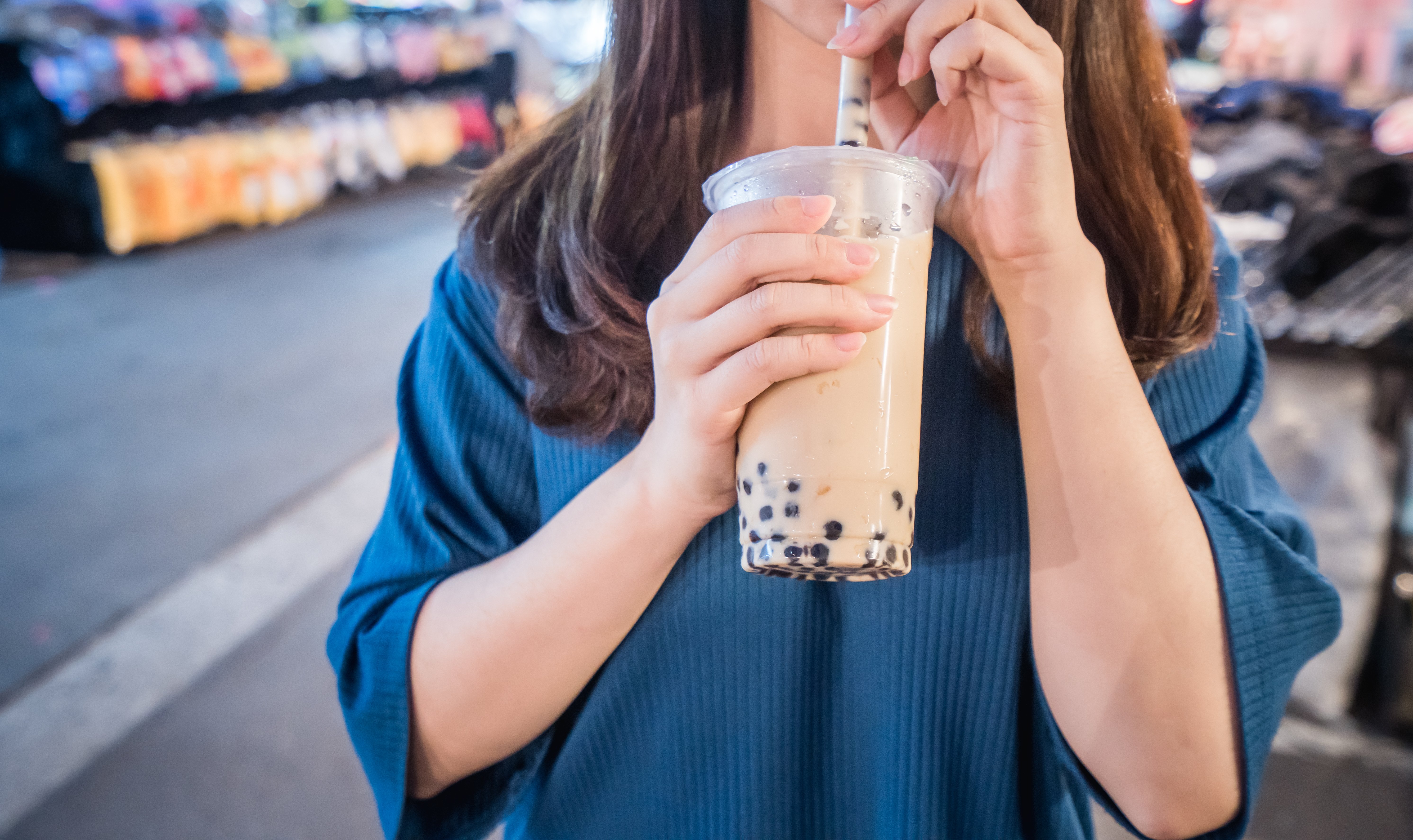
Before matcha and oat milk became lifestyle signals, boba already showed how powerful customization could be.
Boba lets consumers choose sweetness level, ice level, toppings, tea base, milk type, fruit flavor, cup size, and texture. For Gen Z, that level of control matters. The drink becomes personal.
The global bubble tea market continues to benefit from customization, social media exposure, and the appeal of Asian beverage culture. Verified Market Research notes that bubble tea demand is supported by customizable options such as reduced sugar, dairy alternatives, and varied toppings.
In the Philippines, milk tea has also evolved from a novelty drink into a more intentional beverage experience. Recent coverage notes that Filipino milk tea drinkers are becoming more interested in ingredient awareness, real tea, and more balanced options, showing how boba culture can mature beyond sweetness and toppings alone. Daily Tribune reported that Filipinos are now drinking milk tea differently.
In Southeast Asia, boba also works as a social ritual. It is something to buy with friends, bring to class, drink while walking around a mall, or post when trying a new flavor.
Consumer insight:
Boba remains relevant because it gives young consumers control. It turns a simple drink into a personalized experience.
What this means for brands:
Customization is no longer a bonus. For Gen Z beverage consumers, it can be part of the value proposition.
6. Café culture turns drinks into social spaces
Cafés are no longer just places to get coffee. For Gen Z in Southeast Asia, they can function as study spaces, date spots, content backdrops, weekend destinations, remote-work corners, and identity stages.
A café drink is often tied to the place where it is consumed. The interior, cup design, lighting, playlist, seating, and neighborhood all contribute to the experience.
Food & Hotel Asia has also highlighted how Gen Z is reshaping coffee and tea culture across Asia through new beverage trends, innovative shop concepts, and digital engagement.
In Indonesia, café-hopping has also become part of how young consumers represent lifestyle and identity online. A study on Gen Z café-hopping in Bandung found that café visits are represented through language, visuals, and social media signs, with TikTok helping normalize café-hopping as part of generational identity. A Telkom University study examined how Gen Z represents café-hopping on TikTok in Bandung.
This matters because Gen Z’s drink choices are often social before they are purely functional. The drink may be a reason to meet, a prop for content, or a small treat that makes the day feel more intentional.
Consumer insight:
Café culture turns beverage consumption into an experience. The drink is part of a wider social and visual environment.
What this means for brands:
Brands should study the full occasion: where Gen Z drinks, who they are with, what they post, how long they stay, and what makes them return.
7. Social media turns beverages into micro-trends
Many Gen Z drink trends move because they are easy to see, copy, and remix.
A drink can go viral if it has the right combination of color, texture, sound, packaging, preparation ritual, or cultural reference. Matcha has the color. Boba has the texture. Oat milk has the café code. Banana milk coffee has nostalgia and novelty. Café culture has the backdrop.
This is why drinks like matcha, boba, and banana milk coffee travel so quickly online. They are easy to photograph, easy to review, and easy to recreate. A drink can move from a café menu to TikTok, then to group chats, then to weekend plans.
For Gen Z, discovery and consumption are often connected.
Consumer insight:
Social media not only promotes drinks. It changes how drinks are designed, named, photographed, and consumed.
What this means for brands:
Beverage brands need to understand what makes a product shareable. Visual appeal, customization, limited drops, creator reviews, and local flavor cues can all shape demand.
Key Takeaways: What Gen Z Drinks Reveal About Southeast Asian Consumers
Drinks reveal several important truths about Gen Z consumer behavior in Southeast Asia:
- Identity matters. Drinks help young consumers express their mood, taste, values, and lifestyle.
- Aesthetic value matters. Color, packaging, café design, and presentation can influence appeal.
- Customization matters. Gen Z wants control over sweetness, toppings, milk type, and flavor.
- Local flavor matters. Global drink trends become stronger when adapted to local tastes.
- Social media matters. Drinks spread through content, creators, group chats, and visual culture.
- Occasion matters. A drink is often linked to studying, working, dating, relaxing, or meeting friends.
Final Thought
For Gen Z in Southeast Asia, drinks are small purchases with big meaning.
Matcha, oat milk, banana milk coffee, boba, and café culture show how young consumers use everyday beverages to express identity, participate in trends, and create shareable moments.
For brands and research teams, the opportunity is not just to track which drink is trending. It is to understand why a drink becomes meaningful: what it signals, where it is consumed, how it is shared, and how local culture shapes the way young consumers make it their own.
By studying these everyday choices, businesses can better understand how Gen Z in Southeast Asia turns taste, mood, and social identity into consumer behavior.
Learn more in How Gen Z Is Shaping Consumer Behavior in Asia and Dive into Asia’s Game-Changing Consumer Trends for 2026, all on Eye on Asia. Stay tuned for our next feature ✨
Frequently Asked Questions
Why are drinks important to Gen Z in Southeast Asia?
Drinks are important because they are affordable, social, customizable, and easy to share online. For Gen Z, beverages can express mood, taste, lifestyle, and identity.
Why is matcha popular among Gen Z?
Matcha is popular because it feels calm, aesthetic, wellness-adjacent, and visually distinct. It works well in café culture and social media content.
Why is oat milk popular in Southeast Asian cafés?
Oat milk fits modern café culture because it works with coffee, matcha, and ready-to-drink formats. It is also seen as flexible, smooth, and slightly premium.
What makes the banana milk coffee trend online?
Banana milk coffee combines novelty and nostalgia. It is sweet, easy to recreate, visually appealing, and connected to Korean pop culture and social media experimentation.
Why does boba remain popular with Gen Z?
Boba remains popular because it is highly customizable. Consumers can adjust sweetness, ice level, toppings, tea base, and milk type, making each drink feel personal.
 Download Panel Book



